
Science
NEW DELHI: Dams to digital- India’s engineers are now building tech systems for the world

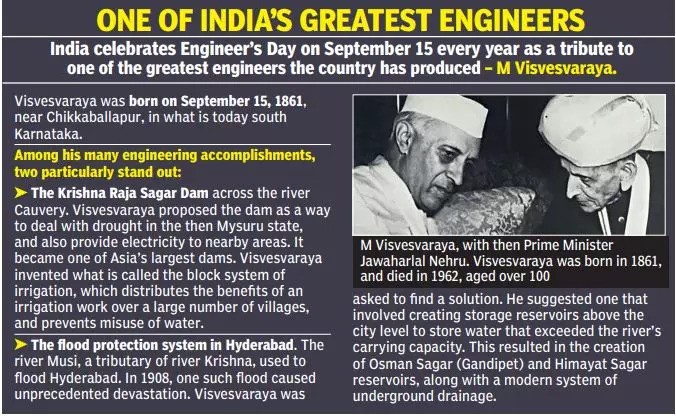
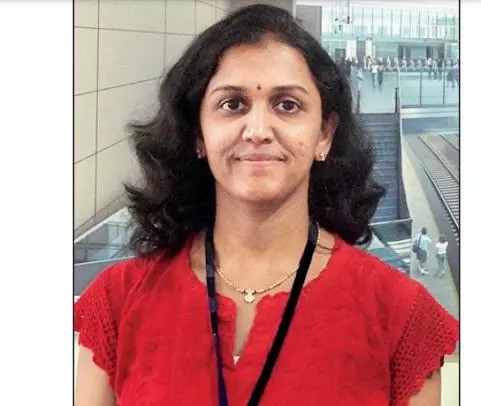
NEW DELHI: Proud of Delhi Metro accomplishment: Arthi Rajasekar, Team Leader – Digital & Integrated Systems, Alstom
I’ve worked in the urban rail mobility (signalling) industry for over 13 years, and on projects like Delhi Metro, Shenzhen Line 3 (China), Incheon Metro Airport line (Korea), and currently Agra-Kanpur Metro. Closest to my heart remains the Delhi Metro project, as I worked on multiple DMRC lines, starting from Line 1 in 2003. Today, Delhi Metro stands as one of the greenest urban rail networks in India, having prevented carbon emissions of more than 90,000 tonnes. I lead the team that designs and tests the interlocking software which ensures the safety of the metro. The Line 7 project will be the longest unattended train operation (UTO – driverless system) line in the world. Gender no barrier.
Women must lead large infra projects
Gender is no longer a barrier in the engineering field. I am eager to see the transformation of the railway sector spearheaded by women in engineering.
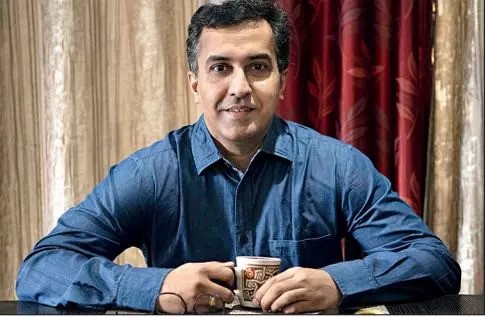
2. Part of a mission critical team, Krishnaraj Lakshminarayanan, Director – Digital Cockpit, Automotive, Harman
Until recently I was leading the SPOT (system profiling and optimisation tools) India Team. It comprises of around 20 of Harman’s best automotive engineers from across the globe. They monitor performance and stability for all ongoing automotive projects. Car infotainment solutions are bundled with a lot of new technologies and features, and it is critical to ensure they work seamlessly when integrated. System resets, system freeze, audio glitch, sluggishness, etc, are common problems during product development.
One such issue reported for one of our customer programmes was that the system restarts when driving through village roads. The team went for a drive test and realised that on a village road with a lot of trees, light keeps changing and the light sensor in the head unit pumps in a lot of messages, which results in loading the communication framework and ends up in a system reset. The issue was resolved by adding additional logic. To figure out a problem, it is very important to understand your systems. And to listen to the end user.
Wear an architect’s hat: Budding engineers must always wear an architect’s hat and design systems for the future.
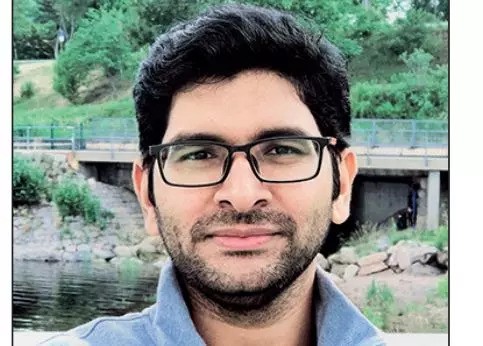
3. Accelerating cloud migration: Santosh Reddy Mereddy, Product Owner, SAP Labs India
The SAP S/4HANA cloud test automation tool (TAT) project holds a special place among my many projects. TAT is adopted for testing business applications and helps customers accelerate migration of their applications to the cloud, thus saving them significant time during scheduled upgrades. This product has empowered SAP and resulted in higher customer satisfaction.
Learn using open-source: I would advise engineering students to work in teams, as you will gain collaboration and team spirit skills. Also, learn by DIY/ opensource. You need to get experience of starting a project from scratch, doing development, testing, documentation, and then sharing your learnings/ work on platforms like GitHub.
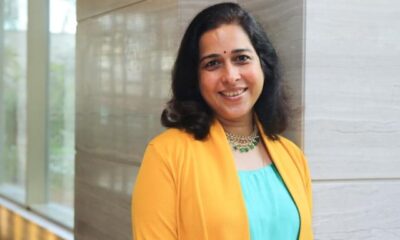
4. Have handled massive power projects globally, Megha Nasikakar, Electrical Engineer & Assistan Manager, Exports, ABB
I joined ABB in 2005 as a graduate trainee and since then I have been looking after all the key and strategic projects for ABB – including globally – in the medium voltage switchgear business. A switchgear is a combination of electrical disconnect switches, fuses or circuit breakers used to control, protect, and isolate electrical equipment. One of my biggest accomplishments is the 2 x 800 MW thermal power plant project for Telangana, where we had supplied 450 switchgear panels. The plant, once completed, will greatly reduce the environmental impact, fulfill the power requirements for many projects, and impact some 35 million people.
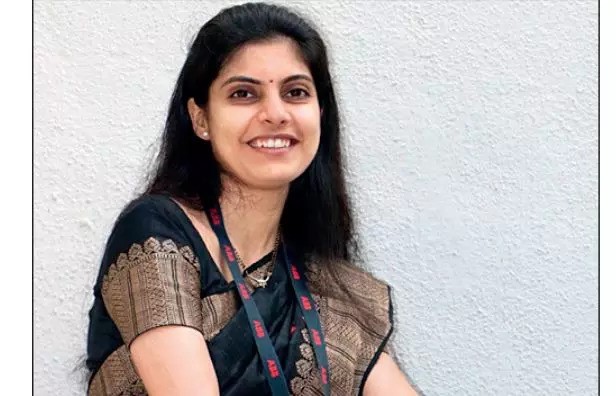
Overcome biases: Young women engineers should not feel tied down by any biases.
5. Exciting time for an engineer: Piyush Jain VP and Global Delivery Head, Software and Digital Services, Quest Global
The world today has some very complex challenges. For an engineer to be living in this time of rapid technology change and working with these technologies to solve these complex challenges is exciting. If I have to pick one project that has given me and the team immense satisfaction in recent times is the one that we developed for the UN Development Programme. They wanted us to build a solution that can help them track their vehicles which are sent for providing aid. This is done on a real-time basis and helps provide better tracking, monitoring, and planning for aid distribution. Our team used some of the latest technologies and innovations to build the solution and we were a proud bunch as the solution got deployed.
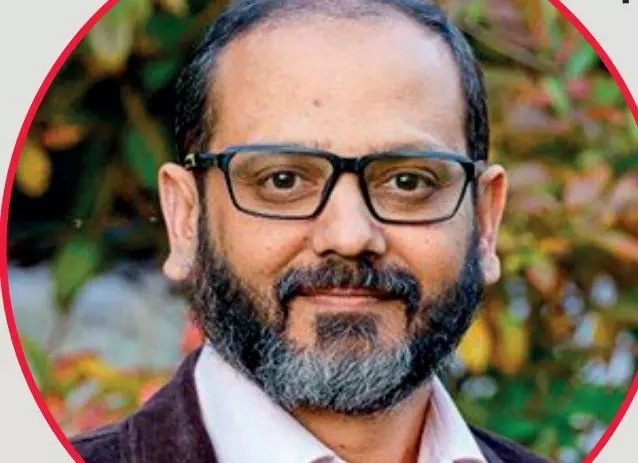
Dare to experiment Young engineers should dream big. But to live your dreams, you need to work hard and keep learning. The world is changing fast and many new technological innovations are coming. So you will need to be fast learners, must dare to experiment, and feel comfortable with change.
6. We are redefining Aerospace: Vaibhav Kumar Somani, Sr lead engineer, Power & Controls, Collins Aerospace
We are redefining aerospace in our Bengaluru centre. My most recent project was to develop a digitally controlled, modular, and reconfigurable power supply system that fits into multiple products like engine control, air management system and other futuristic modules of electrical aircraft architecture without requiring hardware changes. This helps in reducing non-recurring costs and enables prognostic health monitoring features. Several patents and trade secrets were generated as a result of this work. I was named as a finalist for the 2021 Collins Engineer of the Year at the global forum, and was a winner of the Zinnov Technical Role Model award this year.
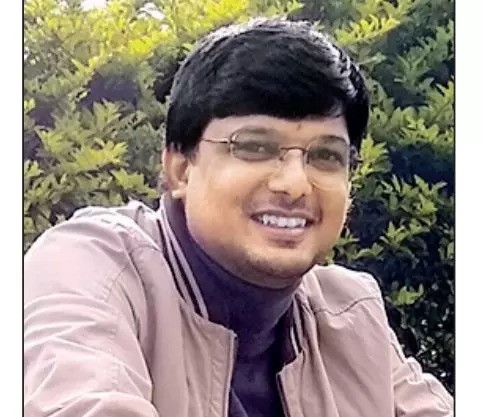
Innovate, innovate, innovate: Budding engineers should constantly be willing to learn, take on bigger challenges, come up with new ideas. Innovation is what helped me gain credibility.
7. Capturing photos of the moon: Saravanan P Head – Technology Cloud Engineering, Oracle India
Circa 2008. I was working as a solution engineer for a systems firm. ISRO was looking for a high-performance storage solution to store the photographs transmitted by its Moon mission, do the post-processing activities, and make them available to astronauts worldwide for more studies. It was a once-in-alifetime project. We pulled many all-nighters to create a demo that met the technical requirements and adequately addressed the performance, functional requirements, and ease of use specifications. But, as luck would have it, less than 24 hours before the scheduled demo for the ISRO directors, Murphy’s law – anything that can go wrong will go wrong – caught up with us. We had to recreate the entire demo in 12 straight hours through the night, and we succeeded.
The result: we were able to demonstrate all the use cases tailored to ISRO’s requirements, and the ISRO team was ecstatic. We landed (pun intended) the order. It has remained one of the most prized moments of my career.
Always dream big: My advice to young engineers is, always dream big, work hard, and when possible, pay it forward by going beyond what’s expected from you.
8. Redesign processes, not just products: Rekha Thomas Staff Engineer, Micron Technology India
Today, the problem statements have evolved beyond just solving for a specific product or feature. While you are solving for solutions to bring to market the next generation of products, you are also constantly looking to automate the design process with hacks that will reduce cycle time, remove manual work, leverage the latest software tools and collaborate for efficiency. For example: we recently evaluated and upgraded to a new device modeling tool and the transition entailed the setup of hundreds of flow steps from the legacy tool to the new tool.
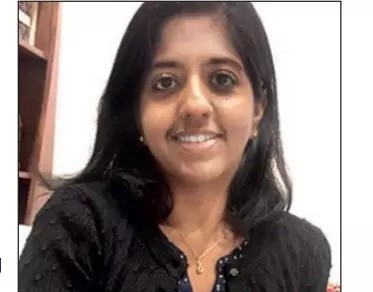
The setup, if done manually, would have taken months, but a detailed study of both the tools helped us understand the similarities in the backend code and enabled us to build a script that helped transition all the flow steps within minutes. These small day-to-day challenges are what keep me motivated and proud of being an engineer.
Focus 100%: As a woman engineer, you have to be able to prioritise your career and your area of expertise. With technology and industry landscapes that are constantly changing, you can quickly fall behind if your focus is not 100%. With more women friendly workplaces, keeping this focus has become more realistic.
9. Surreal to see consumers use our product: Garima Srivastava Director, Samsung Semiconductor India R&D (SSIR)
Today, being an engineer is about creating for the future and making innovation more accessible. In the semiconductor industry, it’s also about executing flawlessly with reduced time cycle between design and commercialisation. One of our flagship products that keeps me and my team motivated is Exynos and the end-to-end ownership for its development. Exynos is a system-on-chip that reinvents the user experience for Samsung smartphones. After all the development work, collaborating with other R&D teams and exceeding various milestones, it feels surreal to see a real consumer use the product we developed in 12-18 months.
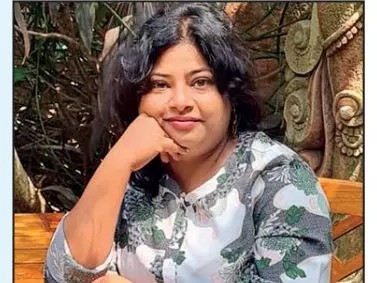
Speak your mind: I would urge young women engineers to speak their mind.
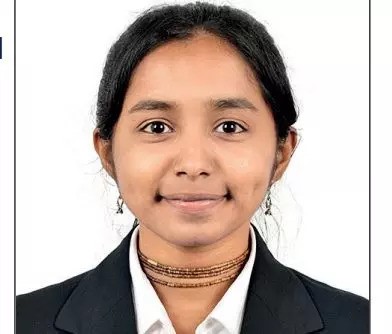
10. Working on breakthrough tech: Harshini Nanje Gowda Senior Engineer, Western Digital
Ever since I started my career in Western Digital, I have been involved in their next generation flash enhanced drive architecture called OptiNAND. It adds vertically integrated iNAND embedded flash drives to HDDs, bringing together two fundamental technologies. This serves as the foundation for future innovations, paving the way for the capacity of drives to reach 50TB before the decade ends. From the time of inception to the final development stages, it involved innovative changes to legacy firmware and system-on-chip (SoC) designs in all disciplines of both technologies. It’s been a huge collaborative effort of diverse teams in terms of geographic location, experience, engineering group and storage domain. I’m so glad I could work on breakthrough technology at such an early stage of my career.








Science
SAN FRANCISCO: Indian-Origin Founder Unveils Wearable Device That Records Every Moment Of Your Life
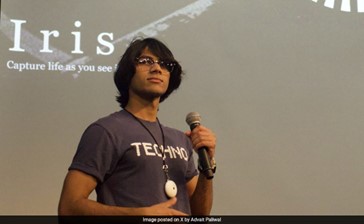
SAN FRANCISCO: Advait Paliwal, an Indian-origin entrepreneur, has recently introduced a wearable AI device called Iris, designed to provide users with “infinite memory.” According to Paliwal, the device captures “pictures every minute,” which are stored either on the device or in the cloud, allowing users to preserve life’s small moments and recognize patterns often overlooked.
In a series of tweets, Mr Paliwal, who is based in San Francisco, explained that Iris not only organises the photos into a timeline but also uses AI to generate captions and help users recall forgotten details. Additionally, the device features a “focus mode,” which detects when the wearer is distracted and offers reminders to refocus.
Mr. Paliwal shared that the design of Iris is inspired by the evil eye symbol. He developed the device over the summer at the Augmentation Lab in Cambridge, part of a two-month AI and hardware talent accelerator program. After the program, Mr Paliwal presented Iris to over 250 attendees at the MIT Media Lab, where he received positive feedback, with many expressing interest in owning the device.
Highlighting its potential, Mr Paliwal suggested that Iris could offer safety and health benefits, such as aiding doctors in understanding patients’ daily habits or ensuring workplace safety compliance. In elderly care, the device could help caregivers monitor patients without being intrusive.
However, after Mr Paliwal shared his post on X (formerly Twitter), reactions were mixed. While some users expressed excitement, others raised privacy concerns. One person commented, “It’s an interesting concept, but I wouldn’t want to interact with someone wearing this, taking a photo every minute.” Paliwal responded by pointing out that people are already “constantly taking mental photos.”
Others were more enthusiastic, with one user noting, “I’ve been searching for a device like this for years! A picture every minute should be enough if it archives, organizes, labels, and retrieves them.” Another user praised the concept, saying, “Love the idea. The design and name are perfect. Great work!”
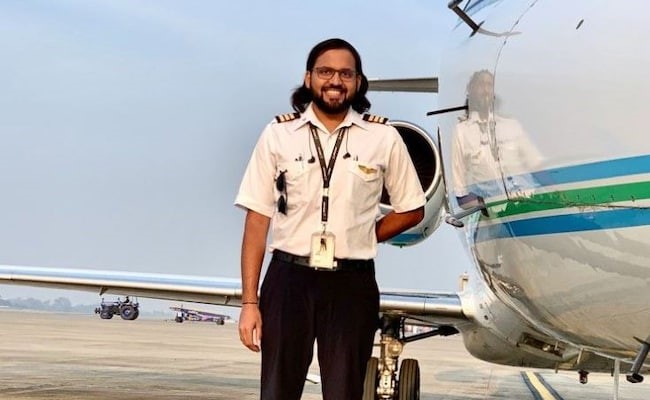
TEXAS: In an unprecedented leap towards the stars, pilot Gopichand Thotakura is set to become the first Indian to venture into space as a tourist. Selected as part of the elite crew for Blue Origin’s New Shephard-25 (NS-25) mission, Mr Thotakura will make a journey beyond the Earth’s atmosphere along with five other candidates.
Gopichand Thotakura, an entrepreneur and pilot, joins a distinguished lineup of 31 candidates who have flown beyond the Karman line, the boundary between Earth’s atmosphere and outer space.
A connoisseur of the skies since his youth, Mr Thotakura’s passion for flight saw him defy conventional norms, learning to pilot aircraft before mastering the art of driving. To further his passion, he graduated from Embry-Riddle Aeronautical University with a Bachelor of Science in Aeronautical Science.
Describing him, Blue Origins wrote, “Gopi is a pilot and aviator who learned how to fly before he could drive. Gopi pilots bush, aerobatic, and seaplanes, as well as gliders and hot air balloons, and has served as an international medical jet pilot. A lifelong traveler, his most recent adventure took him to the summit of Mt. Kilimanjaro.”
Born in Vijayawada, the 30-year-old currently runs Preserve Life Corp, a global center for holistic wellness and applied health located near Hartsfield-Jackson Atlanta International Airport
Each member of the NS-25 mission will carry a postcard on behalf of Blue Origin’s foundation, Club for the Future, symbolizing the collective dreams and aspirations of young minds worldwide.
From an environmental standpoint, the NS-25 mission heralds a new era of sustainability in space exploration.
“Nearly 99% of New Shepard’s dry mass is reused, including the booster, capsule, engine, landing gear, and parachutes. New Shepard’s engine is fueled by highly efficient liquid oxygen and hydrogen. During flight, the only byproduct is water vapor with no carbon emissions,” Blue Origins said in their statement.
The launch date for the mission is yet to be announced.
The mission also includes former Air Force Captain Ed Dwight, who was selected by US President John F Kennedy in 1961 as the country’s first Black astronaut candidate but was never granted the opportunity to fly to space.
Blue Origin has carried out six crewed flights — some passengers were paying customers and others were guests — since July 2021, when CEO Jeff Bezos himself took part in the first.
The company is also developing a heavy rocket for commercial purposes called New Glenn, with the maiden flight planned for next year.
This rocket, which measures 98 meters (320 feet) high, is designed to carry payloads of as much as 45 metric tons into low Earth orbit.
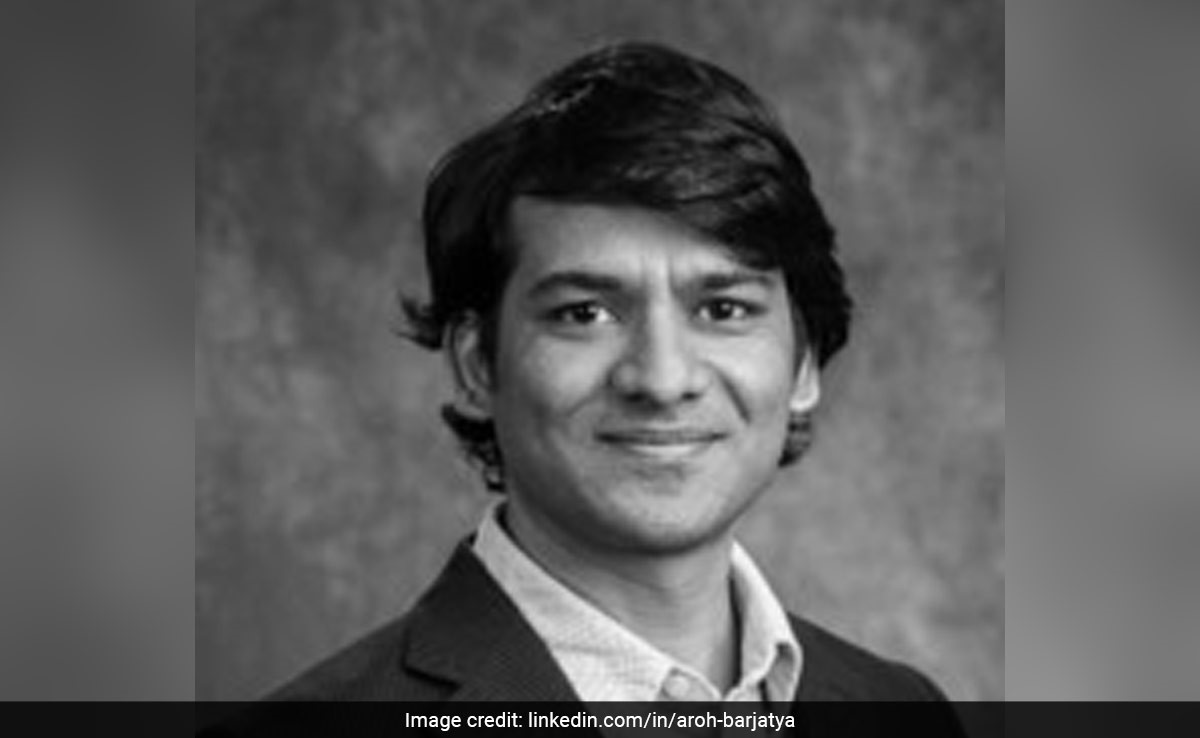
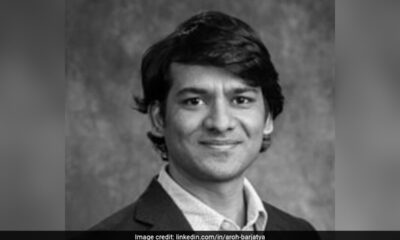
WASHINGTON: Aroh Barjatya, an India-born researcher, led NASA’s mission that launched sounding rockets during the recent total solar eclipse.
The US space agency launched three sounding rockets during the total solar eclipse on April 8 to study what happens to the Earth’s upper atmosphere when sunlight dims momentarily over a part of the planet.
Who Is Aroh Barjatya?
A professor of engineering physics, Aroh Barjatya directs the Space and Atmospheric Instrumentation Lab at the Embry-Riddle Aeronautical University in Florida.
Born to a chemical engineer, Ashok Kumar Barjatya, and his wife Rajeshwari, Aroh Barjatya went to schools across India, including in Patalganga near Mumbai, Hyderabad, Jaipur, Pilani, and Solapur.
He went on to get a degree in electronics engineering from Solapur’s Walchand Institute of Technology.
In 2021, he moved to the US for a master’s degree in electrical engineering at Utah State University. He later did his PhD in spacecraft instrumentation from the same university.
“In addition to leading an externally funded research enterprise, as a tenured faculty I have mentored and engaged young minds through inquiry-based learning tactics, created a new area of concentration within the Engineering Physics programme at ERAU… My mission is to advance the state of the art in space research and education and to inspire the next generation of space engineers and scientists,” he wrote on his LinkedIn profile.

MELBOURNE: Fourth India-Australia 2+2 Secretary-level Consultations

TORONTO: India’s response to diplomatic communication from Canada

NGERULMUD: Shri Harsh Kumar Jain concurrently accredited as the next Ambassador of India to the Republic of Palau

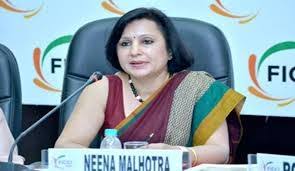
STOCKHOLM: Dr. Neena Malhotra appointed as the next Ambassador of India to the Kingdom of Sweden
2020 will be remembered as time of the pandemic. The fallout will be felt for years

KINGSTON: Shri Subhash Prasad Gupta concurrently accredited as the next High Commissioner of India to St.Vincent and the Grenadines
-
 Diplomatic News2 years ago
STOCKHOLM: Dr. Neena Malhotra appointed as the next Ambassador of India to the Kingdom of Sweden
-
Opinions5 years ago
2020 will be remembered as time of the pandemic. The fallout will be felt for years
-
 Diplomatic News2 years ago
KINGSTON: Shri Subhash Prasad Gupta concurrently accredited as the next High Commissioner of India to St.Vincent and the Grenadines
-
 Politcs2 years ago
LONDON: Indian-Origin Candidate On How He Plans To Win London Mayoral Polls
-

 Technology2 years ago
MARYLAND: All About Pavan Davuluri, New Head Of Microsoft Windows
-

 Sports2 years ago
DODOMA: Milind Soman At “Friendship” Marathon Organised By India, Tanzania
-
 Business2 years ago
LONDON: UK Court Allows Sale Of Nirav Modi’s Luxury London Apartment
-
 Science2 years ago
WASHINGTON: Who Is Aroh Barjatya, Indian-Origin Researcher Who Led Recent NASA Mission